
A led wall display screen can transform interior design by combining digital imagery with architectural decoration. Today, businesses seek visual installations that reinforce brand identity while complementing their interior spaces. Therefore, an LED relief display offers an alternative to conventional decorative wall panels.
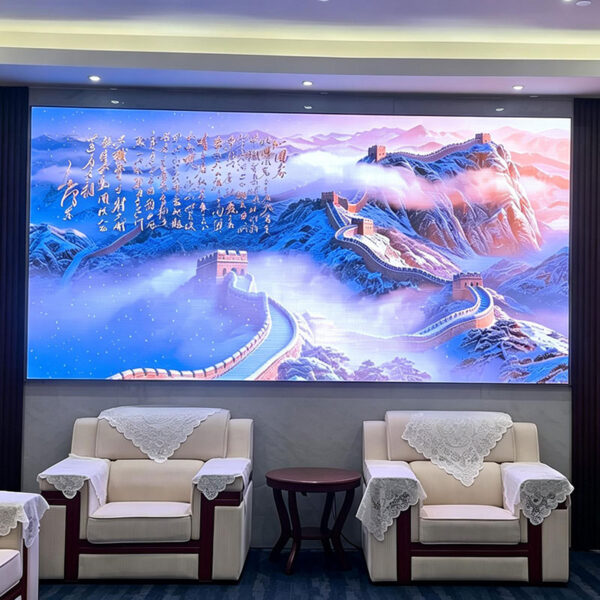
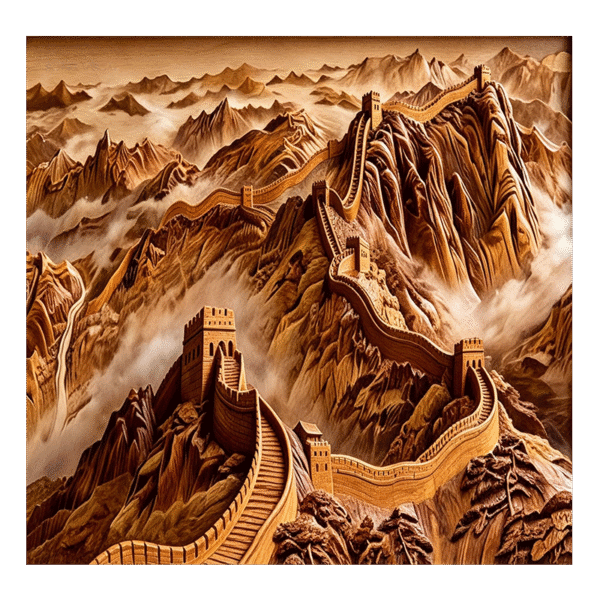
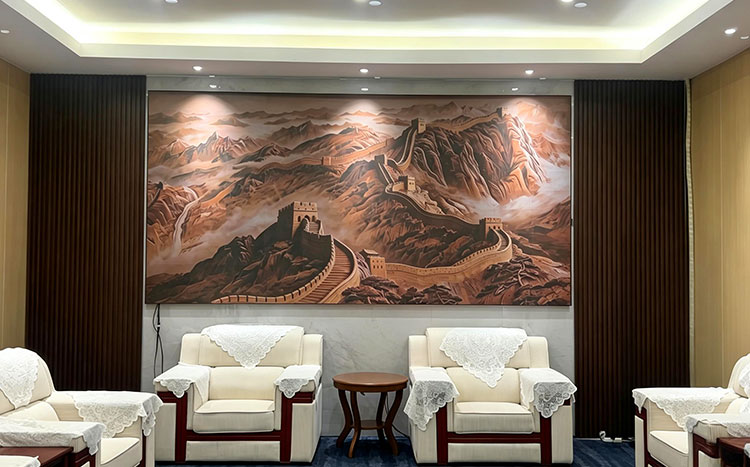
The Art Relief LED Display combines sculptural textures with dynamic digital content. Its Great Wall relief creates a distinctive architectural backdrop when the screen remains off. Meanwhile, illuminated animations introduce movement and visual interest during presentations.
This approach suits premium meeting rooms, government reception areas, exhibition halls, and art centers. Moreover, customized imagery and dimensions help designers align each installation with the surrounding architecture.
How Can an LED Wall Display Screen Enhance Interior Design?
Interior designers often balance visual impact with practical space requirements. Large decorative structures can establish a focal point, but they may offer limited flexibility for changing content.
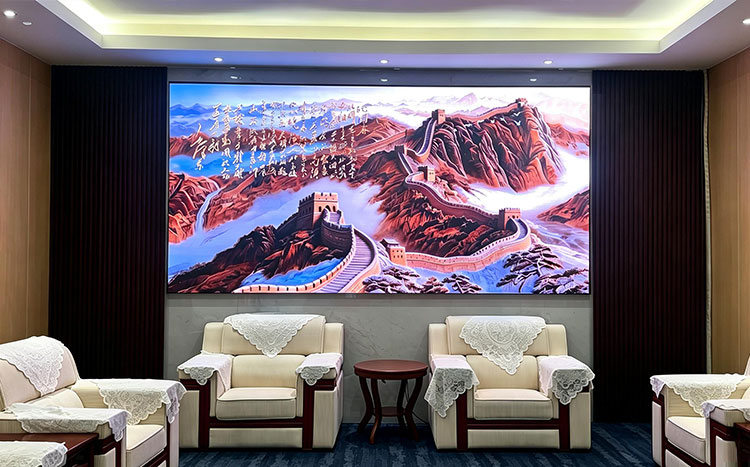
A custom LED wall display combines decorative elements with digital communication. For example, a corporate reception area can feature a Great Wall relief during normal operation. During important visits, the same installation can display brand films or welcome messages.
Combine Architectural Texture With Dynamic Visuals
The Art Relief LED Display uses a specialized POB surface treatment process. Its relief texture creates depth and visual character when the display remains off.
When illuminated, the screen presents animations and customized visual content. Consequently, the installation can shift between decorative artwork and a functional digital display.
This dual-purpose design suits spaces that host different activities throughout the day. However, designers should coordinate screen dimensions, viewing distances, and surrounding lighting during planning.
Explore our LED Display Product Category for customized display solutions and decorative installations.
Can an LED Relief Display Strengthen Corporate Brand Identity?
Corporate interiors communicate organizational values before meetings even begin. Therefore, reception areas and conference rooms benefit from visual elements that reflect their purpose.
A themed LED wall display screen can incorporate cultural imagery, architectural motifs, and brand-specific content. For example, a company welcoming international visitors could display regional landmarks alongside its corporate identity.
Meanwhile, exhibition halls can use changing visuals to support different exhibits. Art centers can combine traditional patterns with contemporary digital storytelling.
Customize Artwork, Dimensions, and Content
The Art Relief LED Display supports customized imagery and screen dimensions. This flexibility helps designers coordinate the installation with existing wall layouts.
Additionally, content teams can prepare animations for launches, exhibitions, or official receptions. They can adjust visual themes without replacing the physical decorative installation.
Nevertheless, successful customization requires accurate architectural drawings. Designers should confirm mounting arrangements, cable routing, ventilation, and maintenance access before installation.
How Do Display Specifications Affect Visual Performance?
Decorative LED installations must deliver suitable image quality under their intended viewing conditions. Moreover, designers should consider viewing distance, ambient light, and the type of content displayed.
The featured architectural LED display combines a fine pixel pitch with a high refresh rate. These characteristics support detailed imagery and smooth motion when paired with compatible content.
Match Pixel Pitch and Brightness to the Space
The product uses a pixel pitch of 2.5 millimetres. This specification helps designers assess suitable viewing distances and image-detail requirements.
Its specified brightness reaches at least 600 candelas per square metre. Therefore, buyers should evaluate screen visibility against the room’s lighting conditions.
The display also specifies a refresh rate of at least 3,840 hertz. This supports smooth visual presentation and can help reduce visible flicker during camera recording.
However, perceived image quality also depends on content, camera settings, and viewing conditions. Consequently, sample demonstrations can help confirm suitability for the intended environment.
Which Technical Parameters Should Buyers Confirm?
A professional LED wall display screen project requires coordination between visual design and installation planning. Therefore, buyers should review technical specifications alongside structural and operational requirements.
The table below summarizes the product’s stated specifications. Certification details remain subject to supplier confirmation.
| Parameter | Product specification | Design consideration |
| Product type | Art Relief LED Display | Combines decorative texture and digital content |
| Pixel pitch | 2.5 millimetres | Helps determine viewing distance |
| LED package | SMD1212 | Defines the specified LED package |
| Surface treatment | POB process | Confirm finish and relief details |
| Brightness | At least 600 candelas per square metre | Evaluate ambient lighting |
| Refresh rate | At least 3,840 hertz | Consider motion and camera recording |
| Image customization | Supported | Match artwork to interior themes |
| Size customization | Supported | Coordinate with wall dimensions |
| Certifications | Not specified in supplied information | Request applicable documentation |
Plan Installation and Long-Term Maintenance
First, confirm the wall structure and required installation dimensions. Next, coordinate power access, signal connections, and ventilation.
Additionally, designers should plan access for future servicing. This becomes particularly important when the LED wall display screen forms part of a permanent architectural feature.
Read our Technical Guide for practical advice on LED display selection, installation planning, and system integration.
How Can a Custom LED Wall Display Support Different Venues?
Different interiors require different visual approaches. Therefore, a custom LED wall display should reflect the venue’s function, audience, and architectural style.
In high-end meeting rooms, the display can provide a distinctive background for presentations. During corporate events, it can feature branded animations and welcome messages.
Government reception rooms may favor cultural motifs and formal visual themes. Meanwhile, exhibition halls can use changing content to complement displays and visitor experiences.
Art centers may adopt more expressive imagery. By combining relief textures with digital motion, designers can create installations that connect physical decoration with multimedia storytelling.
Coordinate Creative Design With Engineering Requirements
China’s traditional architecture provides one possible inspiration for relief-based installations. However, designers can adapt imagery to suit corporate identities, local culture, or specific exhibition themes.
Before production, teams should approve artwork, dimensions, brightness requirements, and installation drawings. Furthermore, they should confirm content formats and maintenance procedures with the supplier.
These steps help align creative expectations with technical feasibility. Ultimately, the best LED wall display screen project balances artistic intent, practical installation, and everyday usability.
Q&A: LED Wall Display Screen for Interior Design
Q1: Can an LED wall display screen function as decorative artwork?
Yes. The Art Relief LED Display combines textured decoration with dynamic digital content. This allows designers to create a visual feature that serves both decorative and communication purposes.
Q2: Which venues suit an LED relief display?
Suitable applications include premium meeting rooms, government reception areas, exhibition halls, and art centers. However, designers should assess viewing distance, ambient lighting, and installation space.
Q3: Can buyers customize the artwork and screen dimensions?
Yes. The product supports customized imagery and dimensions. Buyers should provide architectural drawings and visual references to establish project requirements.
Q4: Is a 2.5-millimetre pixel pitch suitable for every interior?
Not necessarily. The suitable pixel pitch depends on viewing distance, image-detail requirements, and project budget. A sample evaluation can help establish appropriate viewing conditions.
Q5: What should buyers confirm before ordering a custom LED wall display?
Confirm artwork, dimensions, brightness, pixel pitch, installation requirements, and maintenance access. Additionally, request relevant certification documents and technical drawings before approving production.

Add comment