
The global display industry is shifting from flat screens to multi-dimensional, borderless visual experiences. Today, four massive technology waves are reshaping creative display formats. These trends include Mini LED, AI interaction, green energy efficiency, and architectural integration.
As a primary carrier of borderless displays, the spherical screen will evolve dramatically over the next five years. Specifically, it will upgrade across four key dimensions: technology, application, market, and industry ecosystem. Consequently, these systems will escape their niche engineering status, transforming into highly standardized products for tourism, commerce, and digital education.
Based on global supply chain research, here is the comprehensive forecast for Spherical LED Display Trends from 2026 to 2030.
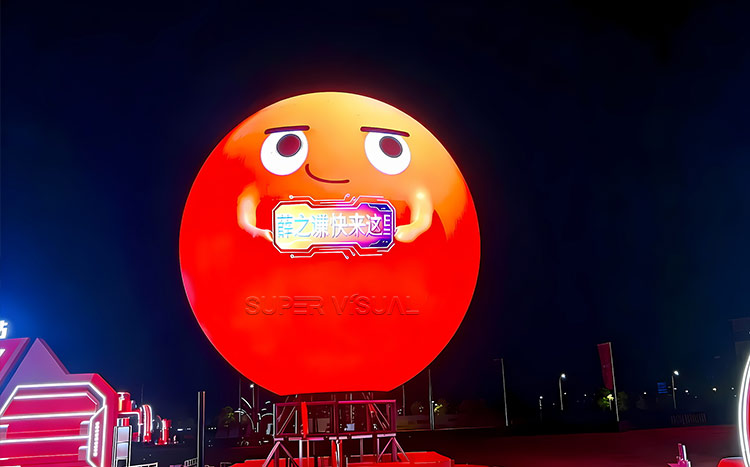
Technical Evolution: Four Core Directions
On the hardware level, manufacturers focus on four core goals: lightweight structures, ultra-high definition, AI intelligence, and low power consumption.
Micro Pixel Pitches
First, pixel pitches are dropping rapidly. Currently, P1.25 represents the mainstream standard for premium indoor projects. However, the industry will popularize P0.9 ultra-fine pitches within five years. This tech shift increases pixel density by 55%, satisfying ultra-close desktop viewing distances under 1 meter. Therefore, it perfectly serves high-end private showrooms and precision scientific data visualization.
Lightweight Materials
Second, structural weight is decreasing significantly. Carbon fiber frames will replace traditional aluminum alloy skeletons soon. This material swap reduces total screen weight by another 30%. Thus, engineers can complete embedded installations on exterior walls and domes without structural reinforcement. This breakthrough solves high-altitude installation safety hazards permanently.
AI Autonomous Operations
Third, all-domain AI interaction will become standard. Current gesture and touch options offer only passive interaction. In the future, screens will integrate face recognition traffic analysis, voice content switching, and auto-dimming sensors. Consequently, tracking latest Spherical LED Display Trends reveals that hardware will autonomously adjust brightness and video content based on live crowds.
Green Energy Efficiency
Fourth, green energy technology will expand rapidly. New-generation driver ICs feature dynamic voltage regulation. Therefore, they adjust power consumption in real-time based on the ratio of black-and-white pixels. This innovation slashes total energy usage by 25%. Ultimately, it meets strict carbon neutrality goals and passes global eco-friendly export certifications.
Application Shifts: Expanding Boundaries
In terms of application, the market shows three clear trends: deepening landmarks, down-marketing small setups, and cross-industry expansion. Previously, 90% of sphere projects targeted massive landmark venues. However, manufacturing costs for small-to-medium spheres (0.3–3 meters) will plunge by 40% soon. Consequently, these affordable screens will flood down-market venues, such as community centers, retail chains, and K-12 schools.
Furthermore, cross-industry expansion will bridge into industrial and medical fields. In industrial sectors, factories use spheres for 3D equipment data visualization and panoramic assembly line monitoring. In the medical field, institutions deploy them for 3D anatomy training and panoramic medical imaging.
The integration of traditional architecture is accelerating. Additionally, architectural integration will become mainstream. Architects will design dedicated installation points during early planning phases. This approach allows screens to blend seamlessly with glass facades and domes, maximizing visual harmony.
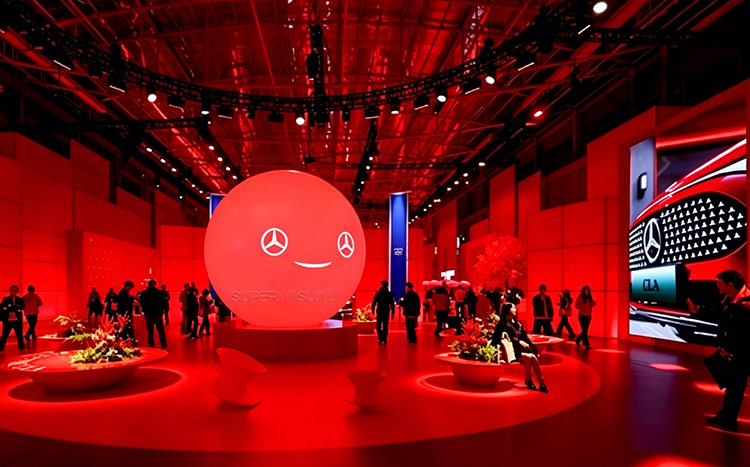
Market Trends: Customization and Globalization
The business landscape is moving toward customization, globalized supply chains, and premium branding.
| Market Trend | Old Paradigm (Pre-2026) | New Paradigm (2026-2030) |
| Product Form | Standardized Spheres | Asymmetric Spheres, Hemispheres, Hollow Meshes |
| Export Model | Hardware-Only Sales | Integrated “Hardware + Content + Support” |
| Brand Landscape | 41% Cheap White-Box Assemblies | Top Brands Control 82% of Market Share |
Standardized spheres face declining profit margins. Conversely, custom orders are growing at an annual rate above 35%. This high-margin demand includes eccentric spheres, hemisphere domes, and dual-color hollow structures. Manufacturers with flexible customization capabilities will capture premium profits.
On the global front, domestic overcapacity forces companies to export. Tourism infrastructure is booming across Southeast Asia and the Middle East, forming a massive growth engine. Therefore, the export model must change from simple hardware sales to complete “hardware + content + service” solutions.
Regarding brand landscape, the market will eliminate low-quality white-box assemblers. Terminal buyers now prefer top brands with self-developed algorithms and reliable global support. Thus, white-box market share will drop from 41% to just 18%.
Industry Ecosystem: Standards and Content Growth
The industry ecosystem is standardizing rapidly while content costs drop. Currently, the industry lacks unified national standards for visual quality, mechanics, and lightning protection. However, China will introduce dedicated spherical display regulations around 2027. These rules will set strict legal limits for splicing gaps, color deviations, and wind resistance, successfully purging substandard copycats.
Simultaneously, top manufacturers are partnering with universities to build specialized 3D display laboratories. These academic alliances aim to conquer automated giant calibration software and low-latency interaction systems, securing core intellectual property.
On the content side, third-party panoramic asset platforms are maturing quickly. Consequently, standardized spherical video costs will drop by 70%. This massive cost reduction solves the long-standing budget bottleneck for project owners.
Overcoming Long-Term Structural Risks
Despite bright prospects, long-term industry risks remain: component price volatility, overseas patent walls, and technical talent shortages.
To overcome these barriers, manufacturers must adopt three core strategies:
-
Component Security: Speed up local component substitution and build aggressive patent shields.
-
Channel Operations: Establish localized overseas service hubs to support global clients.
-
Talent Development: Work with technical vocational colleges to create specialized spherical display maintenance courses.
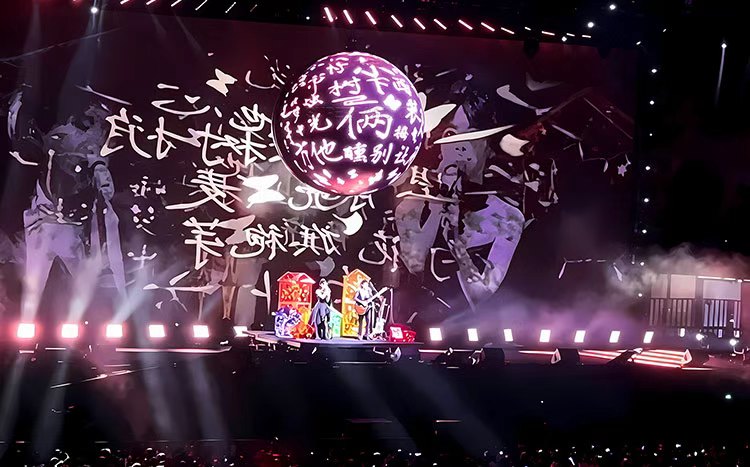
Seizing the Multi-Dimensional Opportunity
In summary, studying Spherical LED Display Trends helps us understand the upgrade path for flat digital signage. They align perfectly with global trends toward borderless layouts, immersive visuals, and smart interactions.
In the short term, the industry must digest remaining homogeneous assembly capacity. However, technical upgrades and down-market scene expansion will unlock a multi-billion-dollar market in the long run. To capture this historic structural opportunity, supply chain players must move beyond basic parameter competition. Instead, they must focus deeply on user space experiences and long-term operational excellence.
To learn more about the spherical LED screen industry — click here to find out more about us!



Add comment