
Modern commercial spaces require energetic visual communication. Furthermore, traditional static signs fail to capture consumer interest in crowded markets. Today, installing a high-performance screen LED display converts ordinary retail store facades into vibrant visual platforms. Consequently, store owners quickly boost customer foot traffic and overall store revenue.
Brands must constantly adapt to competitive commercial environments. Therefore, high-brightness digital display screens deliver extraordinary clarity under harsh artificial sunlight. Moreover, modular cabinet designs simplify routine maintenance for commercial facility teams. Consequently, modern retail architects rely heavily on custom video displays. You can explore our /product-category for advanced commercial display hardware.
Innovative commercial lighting technology transforms how consumers perceive store identity. Furthermore, dynamic video content builds lasting brand connections across physical locations. Specifically, high-contrast digital displays accentuate product textures and rich brand colors. Therefore, smart retailers upgrade standard window posters with dynamic commercial screens.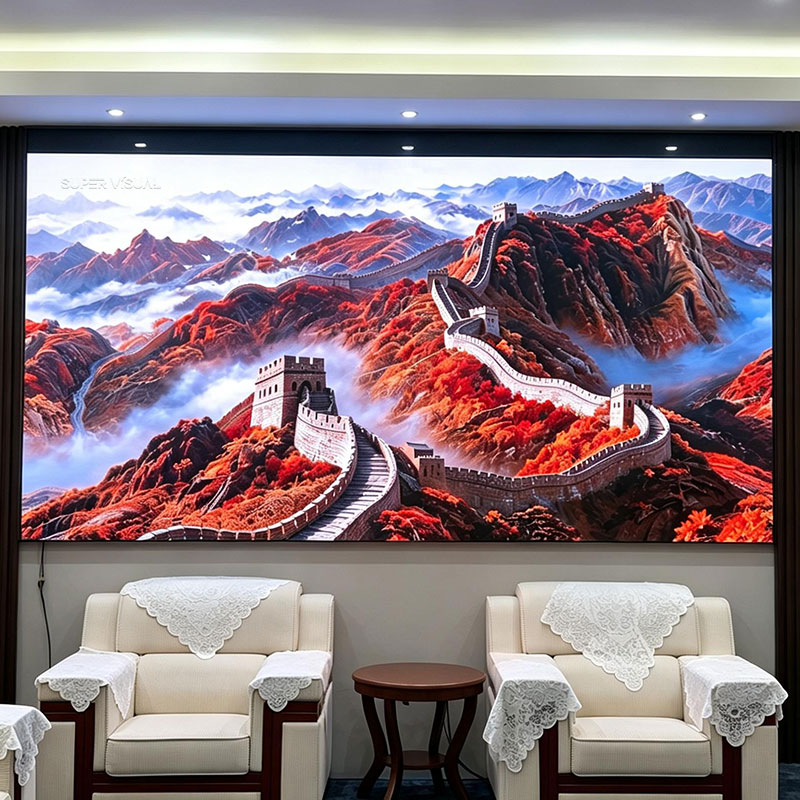
Commercial Challenges
Severe Ambient Sunlight Washout in Glass Storefront Windows
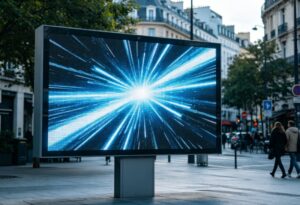
Standard LCD commercial monitors deteriorate rapidly under intense natural sunlight. Specifically, outdoor solar glare completely washes out delicate image details on ordinary screens. Therefore, glass storefront windows demand an ultra-high brightness retail LED display. Furthermore, integrated automatic dimming sensors maintain optimal panel contrast throughout the full solar cycle.
Flagship luxury storefronts along central shopping avenues feature massive glass facades. However, direct midday sunlight makes ordinary poster signs completely unreadable. Consequently, deploying a high brightness indoor LED screen instantly solves ambient glare issues. As a result, passerby engagement rises dramatically across daytime hours.
In addition, dynamic panel contrast controls safeguard display lifespans during high heat exposure. Furthermore, smart thermal management keeps internal component temperatures safely below critical limits. Consequently, retail store windows stay vibrant without risking thermal damage.
Complex Structural Constraints in Architectural Column Layouts
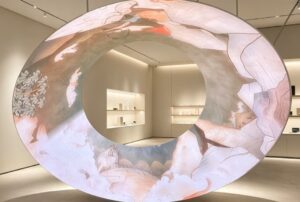
Conventional rigid flat panels cannot bend around curved interior walls or structural pillars. Consequently, interior architects face awkward visual gaps across modern retail floors. However, flexible commercial LED modules bend effortlessly around rounded store surfaces. Furthermore, ultra-lightweight cabinets eliminate the need for expensive structural wall reinforcements.
Modern shopping centers frequently incorporate large circular support columns. Standard flat monitors create sharp, ugly box corners on circular pillars. In contrast, a custom shape commercial display solution wraps smoothly around circular structural pillars. Check our /technical-guide for full architectural integration recommendations.
Moreover, seamless corner alignment creates an uninterrupted three-dimensional visual canvas for shoppers. Consequently, retailers turn structural obstacles into high-value marketing opportunities. Thus, custom visual displays elevate overall store interior design aesthetic standards.
High Operational Energy Costs and Excess Heat Output
Continuous daily video playback generates high electrical power bills and excessive cabinet heat. Furthermore, poor thermal management degrades internal LED diode lifespan over extended operation periods. Modern common-cathode display technology lowers total power consumption by up to forty percent. Thus, retail operators gain substantial long-term operational expense savings.
Consider a major fashion brand operating hundreds of high-street stores globally. High monthly electricity usage directly undermines net store operational profitability. Therefore, converting to energy-efficient LED display panels drastically lowers monthly facility energy overhead. Furthermore, lower heat emission extends overall screen electronic life.
In addition, lower heat output reduces reliance on heavy store air conditioning units. Consequently, retail stores achieve lower carbon emissions alongside reduced utility spending. Thus, commercial LED upgrades support broader corporate sustainability goals effectively.
Disruptive Visual Downtime During Commercial Event Setups
Traditional display panel setups require long assembly hours and complicated tools. Consequently, store disruptions hurt daily merchandise sales and customer satisfaction rates. However, quick-lock modular display cabinets enable rapid mounting without disrupting store activities. Thus, event setup teams assemble dynamic video walls in record time.
High-end apparel brands host frequent seasonal product launches and pop-up events. Fast mounting mechanisms allow technicians to assemble video walls overnight effortlessly. Consequently, retail stores remain open for business during normal operating hours.
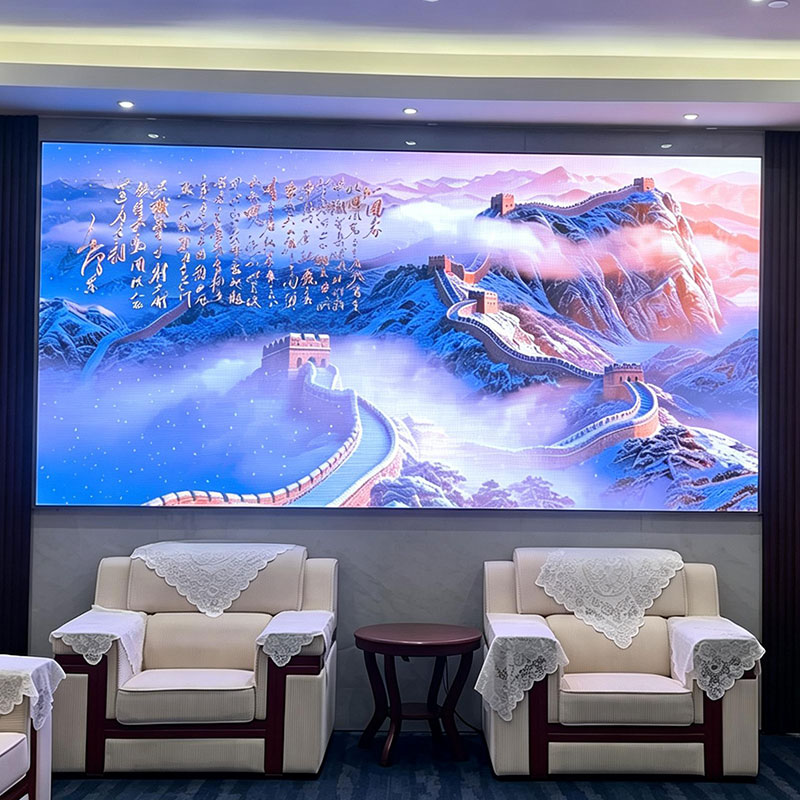
Technical Solutions
Advanced screen LED display engineering provides total reliability across intense commercial environments. Furthermore, exact hardware specifications drive maximum visual impact and superior brand message delivery.
High Refresh Rate and Flicker-Free Camera Visual Performance
Luxury retail environments demand flawless visual playback without annoying visual artifacts. Specifically, a 3,840 Hz high refresh rate completely removes camera scanlines during phone photography. Furthermore, broad color gamut coverage renders true-to-life product imagery. Consequently, shoppers experience vibrant, highly accurate brand presentation.
In addition, advanced driver ICs maintain consistent grayscale performance at lower brightness levels. Therefore, dark store corners maintain pristine image details without losing visual depth. Consequently, high-end boutiques display delicate product textures with unmatched precision.
Intelligent Brightness Control and Common Cathode Architecture
Built-in light sensor modules automatically calibrate panel brightness based on ambient store lighting. Thus, screens deliver full brightness under direct noon sunlight and softer intensity at night. Furthermore, common cathode power routing cools average cabinet temperature by fifteen degrees Celsius.
Moreover, precise power distribution reduces electrical stress on internal drive electronics. Consequently, component failure rates drop significantly over long commercial operational cycles. Thus, store owners enjoy uninterrupted, maintenance-free display performance.
Technical Parameter & Certification Comparison
| Technical Parameter | Standard Commercial LED | High-End Retail LED Screen | Industry Certification / Standard |
| Pixel Pitch Range (mm) | P2.5 – P4.0 Standard Pitch | P1.2 – P1.9 Micro Pixel Pitch | ISO 9001 Quality Management |
| Maximum Brightness (Nits) | 800 – 1,200 Nits Brightness | 2,500 – 5,500 High Nits | UL 62368-1 Commercial Safety |
| Visual Refresh Rate (Hz) | 1,920 Hz Standard Rate | 3,840 Hz – 7,680 Hz High Rate | CE / FCC Class B Standard |
| Average Power Consumption | 350 W/m² Panel Power | 180 W/m² Common Cathode | Energy Star Efficiency Standard |
| Environmental Safety Grade | Standard RoHS Compliance | Lead-Free Compliance Standards | RoHS 2.0 Directives Approved |
| Cabinet Structural Flexibility | Rigid Aluminum Cabinet | Flexible Convex & Concave |
IP65 Front Water Protection |
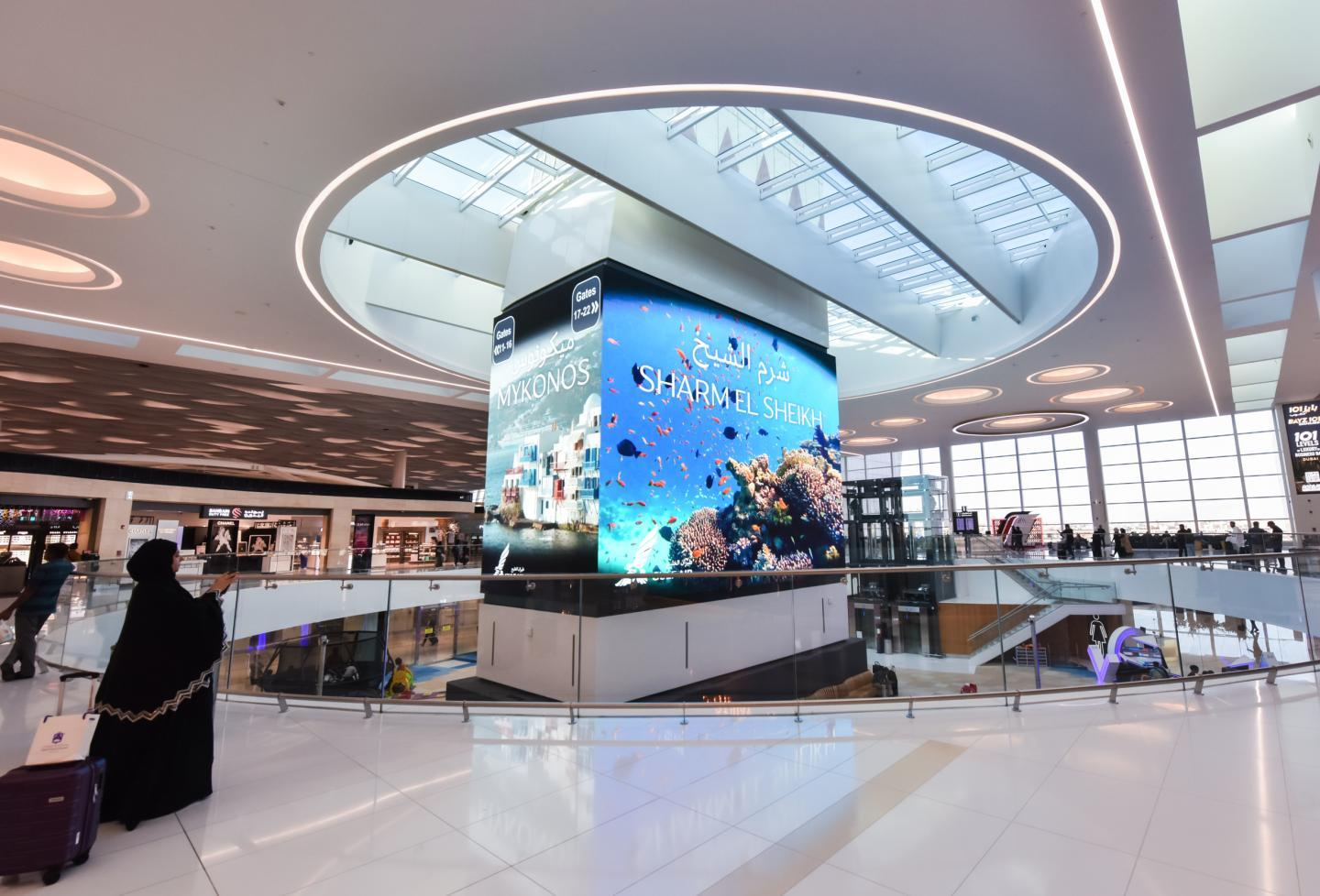
Elevating Public Spaces with Dynamic Commercial Visual Architectures
Public transit stations and international airport terminals demand clear, continuous public messaging. Furthermore, millions of daily travelers depend on ultra-bright arrival screens and high-impact digital ads. Therefore, installing commercial screen LED displays upgrades public facility infrastructure significantly. You can view verified project installation examples on our showcase page.
Busy international airport terminals install massive seamless LED video walls in luggage halls. Consequently, advertisers capture undivided passenger attention during long baggage wait times. Furthermore, rugged industrial-grade hardware guarantees continuous twenty-four-seven operation without failure.
Additionally, modular maintenance access allows technicians to replace single LED modules in minutes. Consequently, terminal maintenance teams fix technical issues without taking down whole display screens. Thus, public transport hubs maintain high operational uptime continuously.


Add comment